


%20(1)_edited_edited_edited.png)
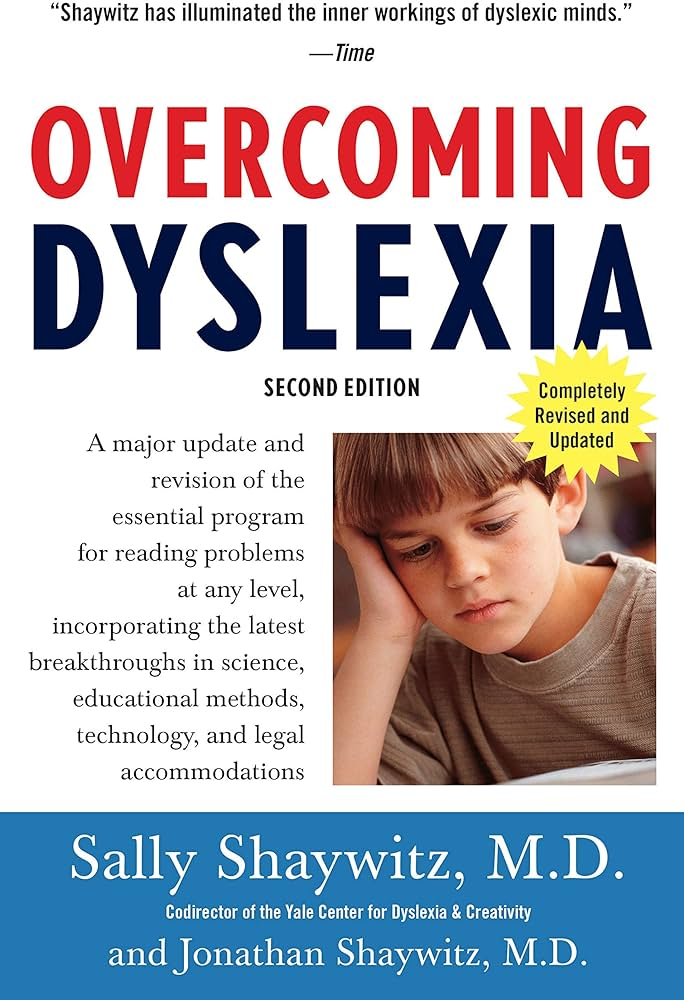
Unlocking Literacy: A Dyslexia Exploration. Chapter 13 of Overcoming Dyslexia

As we continue our journey through understanding dyslexia, Chapter 13 of "Overcoming Dyslexia" illuminates the critical task of identifying the at-risk child before they face academic challenges. This chapter, embedded in my coursework to become a Dyslexia Specialist or CALT, underscores the importance of early intervention and collaboration among educators, specialists, and families. Let's explore how we can proactively identify and support children at risk for dyslexia.
Chapter 13: Identifying the At Risk Child
The Role of Screeners: A Gateway to Early Intervention
Screening instruments serve as invaluable tools in identifying children at risk for dyslexia. While not diagnostic, they play a pivotal role in universal screening, efficiently identifying those who may benefit from further assessment or intervention. Harnessing teachers' insights and observations further enhances the effectiveness of screening measures, providing a holistic view of the child's reading abilities.
The Power of Phonological Sensitivity: A Gateway to Literacy
Phonological sensitivity, the ability to focus on the sounds of language, serves as a key indicator of dyslexia risk. Observing a child's development of phonological awareness and phonemic awareness, which encompasses skills like rhyming and identifying phonemes, offers valuable insights into their literacy trajectory. Parents can play a proactive role by observing language development, knowing family history, and advocating for universal screening in schools.
Early Intervention Pathways: Guiding the At-Risk Child
Identifying a child at risk for dyslexia opens pathways for early intervention. Whether through immediate placement in intense early intervention programs or undergoing a full diagnostic assessment, timely support is paramount. The author strongly advocates against delaying kindergarten entry, emphasizing the importance of accessing needed help without delay.
Call to Action: Advocating for Early Intervention
Educators and Specialists: Advocate for comprehensive screening measures and early intervention programs within your educational institutions, fostering an environment of proactive support for at-risk learners.
Families: Partner with educators and specialists to advocate for your child's needs, leveraging screening results to access timely interventions and support services.
Community Collaboration: Foster collaboration among educators, specialists, and families to ensure a unified approach to identifying and supporting children at risk for dyslexia, promoting early intervention and academic success.
Together, let's champion early intervention efforts and empower every child to unlock their full potential in literacy and beyond.


Comments